

How To Choose Your New Garage Door
Our first question when someone says they want a new garage door is, “Do you have an idea of what garage door you would like?”
More often than not the answer is no.
And it’s no surprise. Garage doors have come a long way from a few basic designs in neutral colors, so the amount of options can feel overwhelming.
The good news is we’re here to help! Selecting the proper garage door impacts energy efficiency, security and home aesthetics. It’s important to consider local climate, style compatibility, and functionality as well as your specific needs, style preferences and budget to make an informed choice.
So let’s break down what to consider when you’re trying to decide on your new garage door.
Step 1: Style
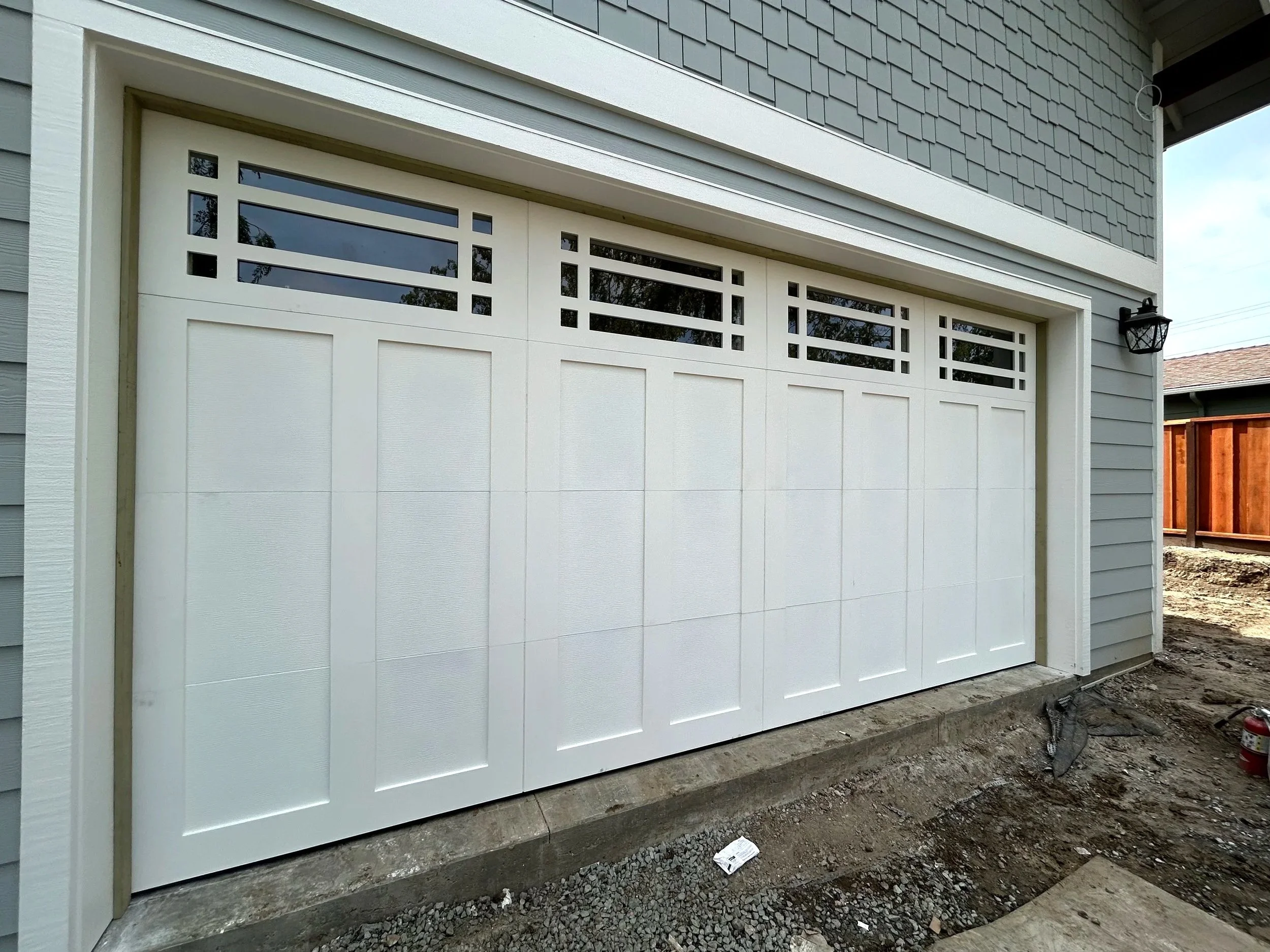
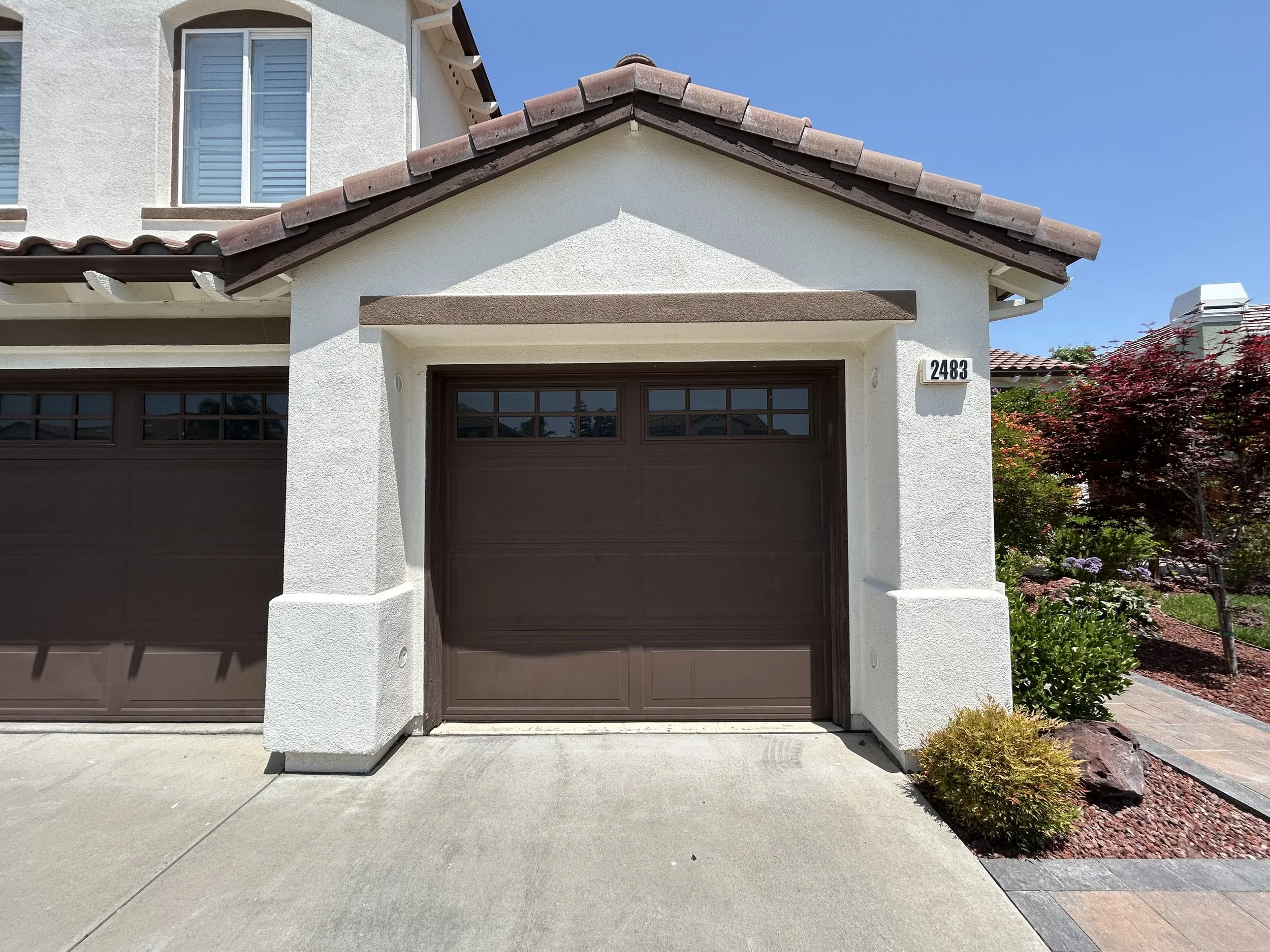
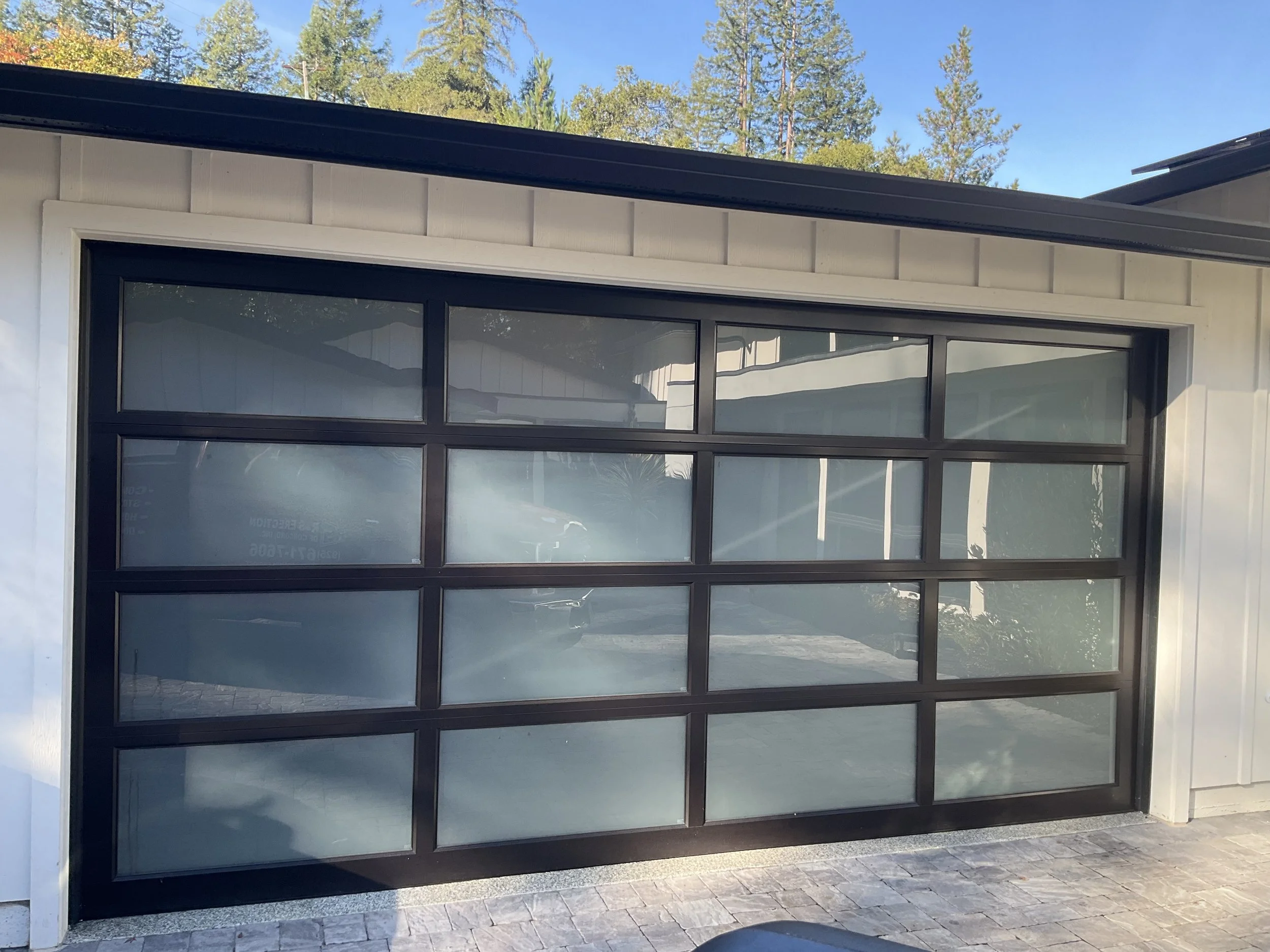
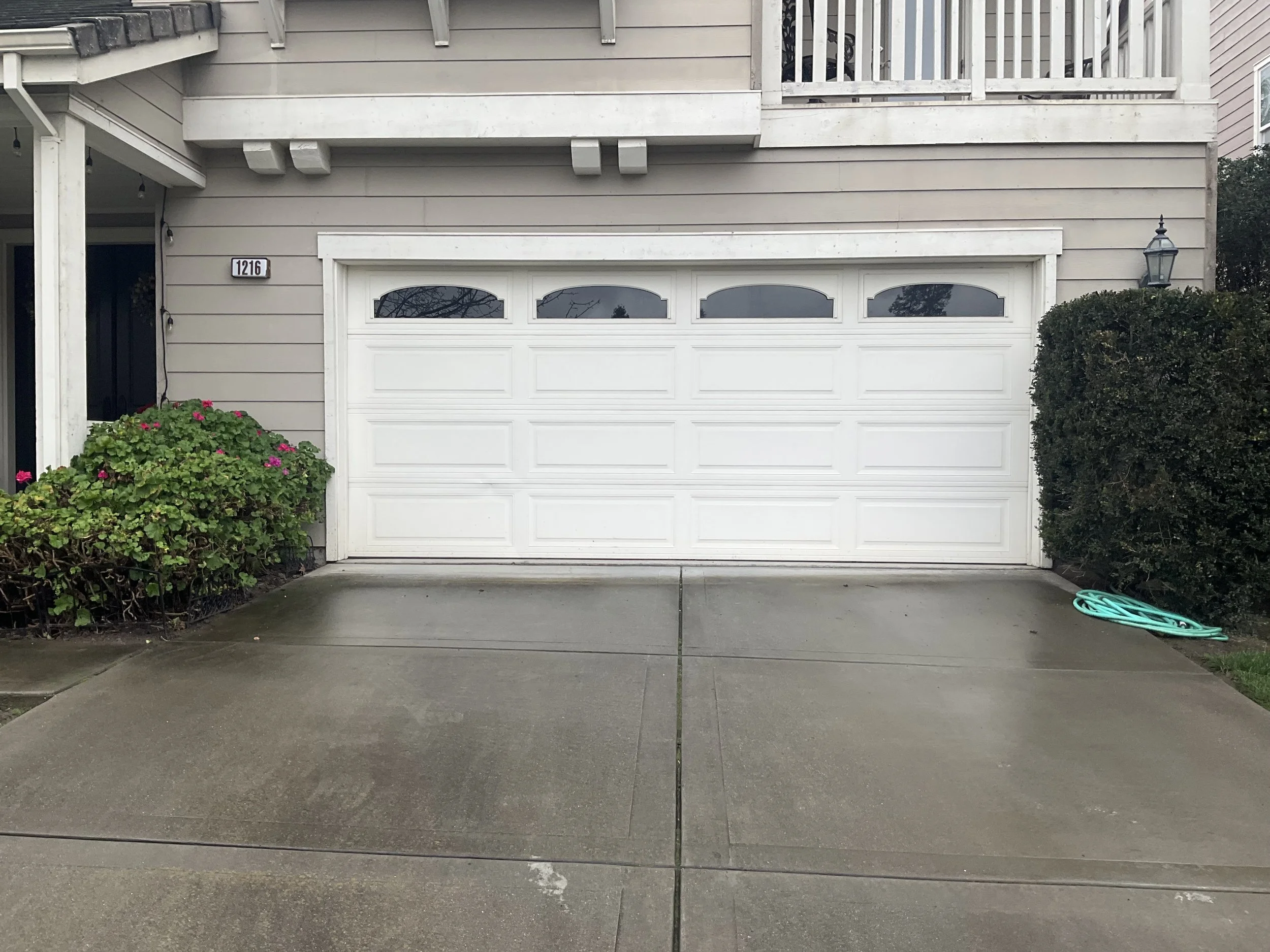
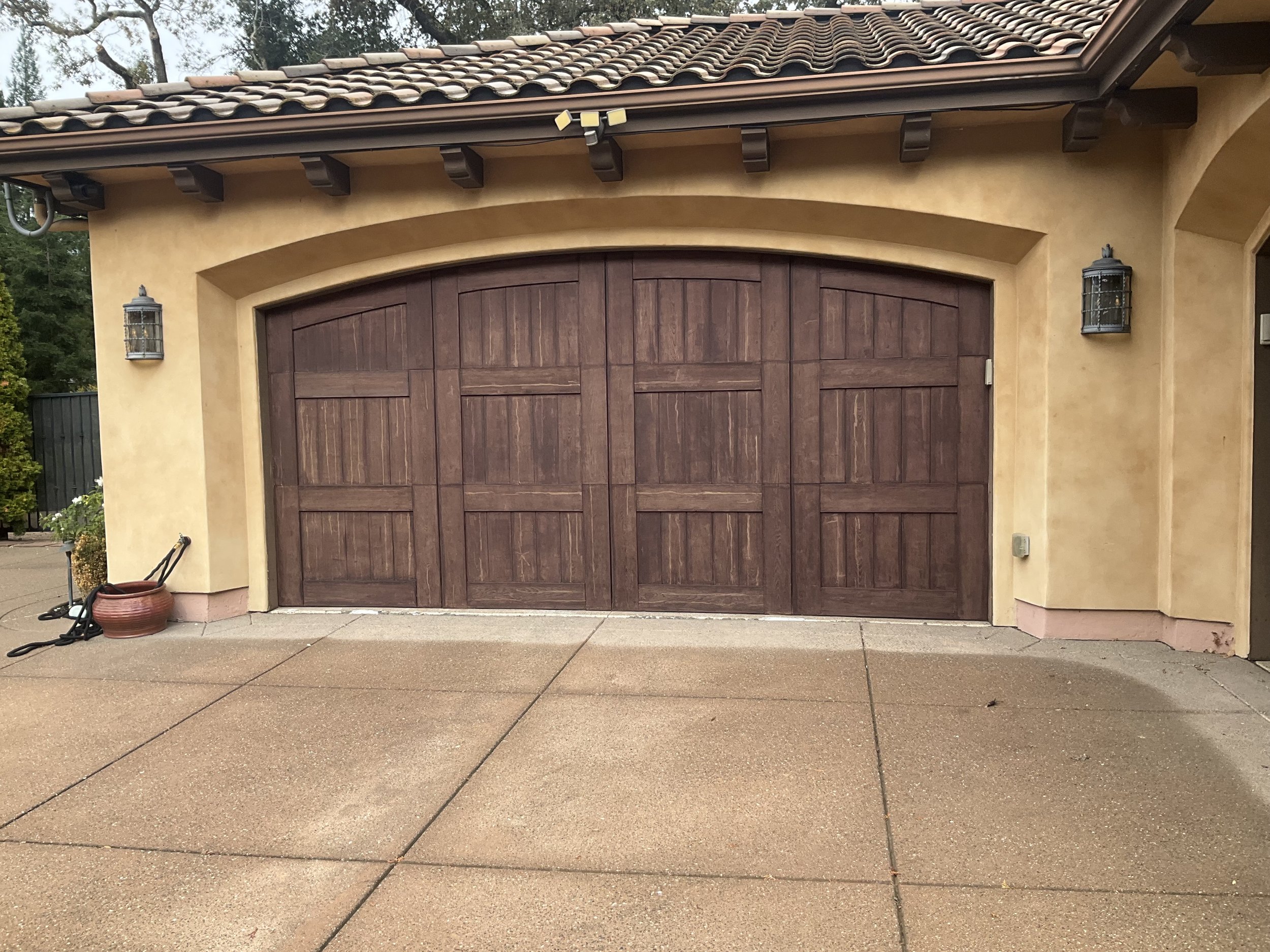
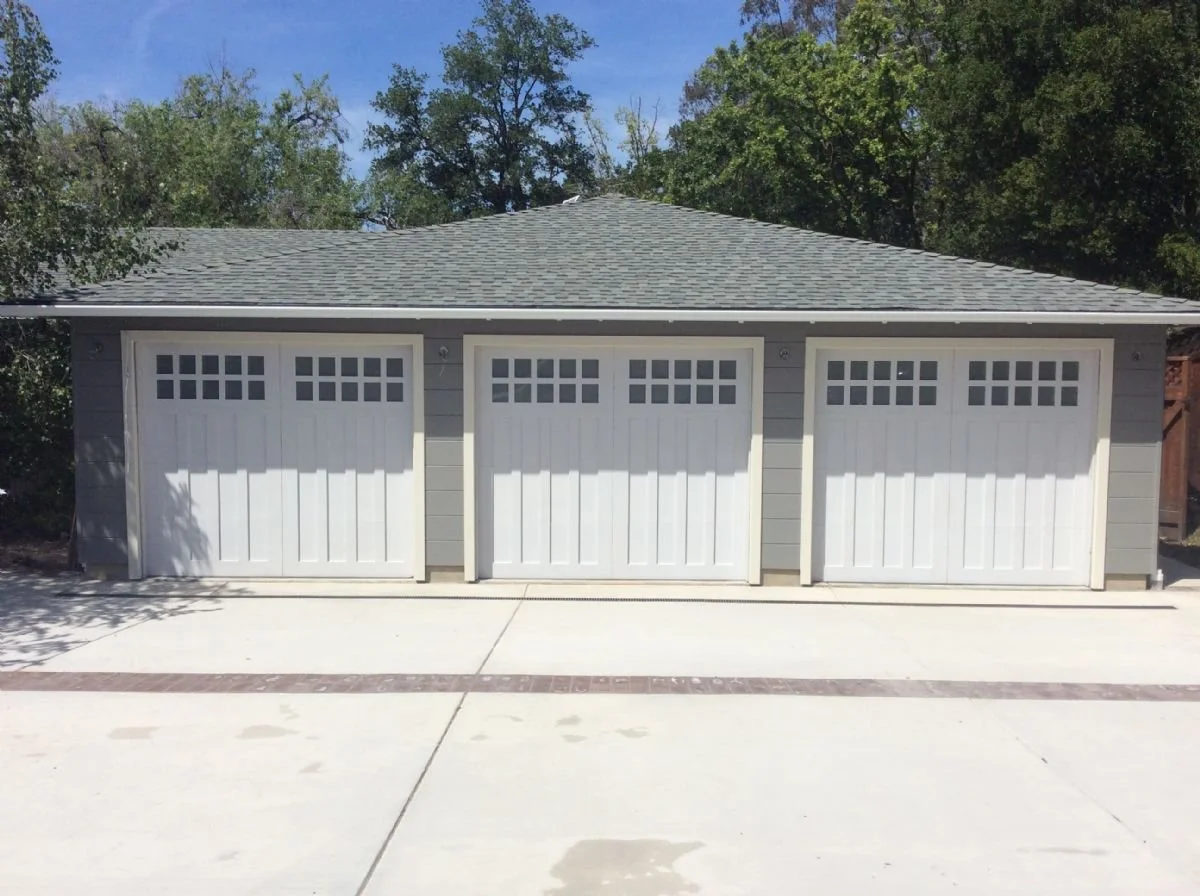
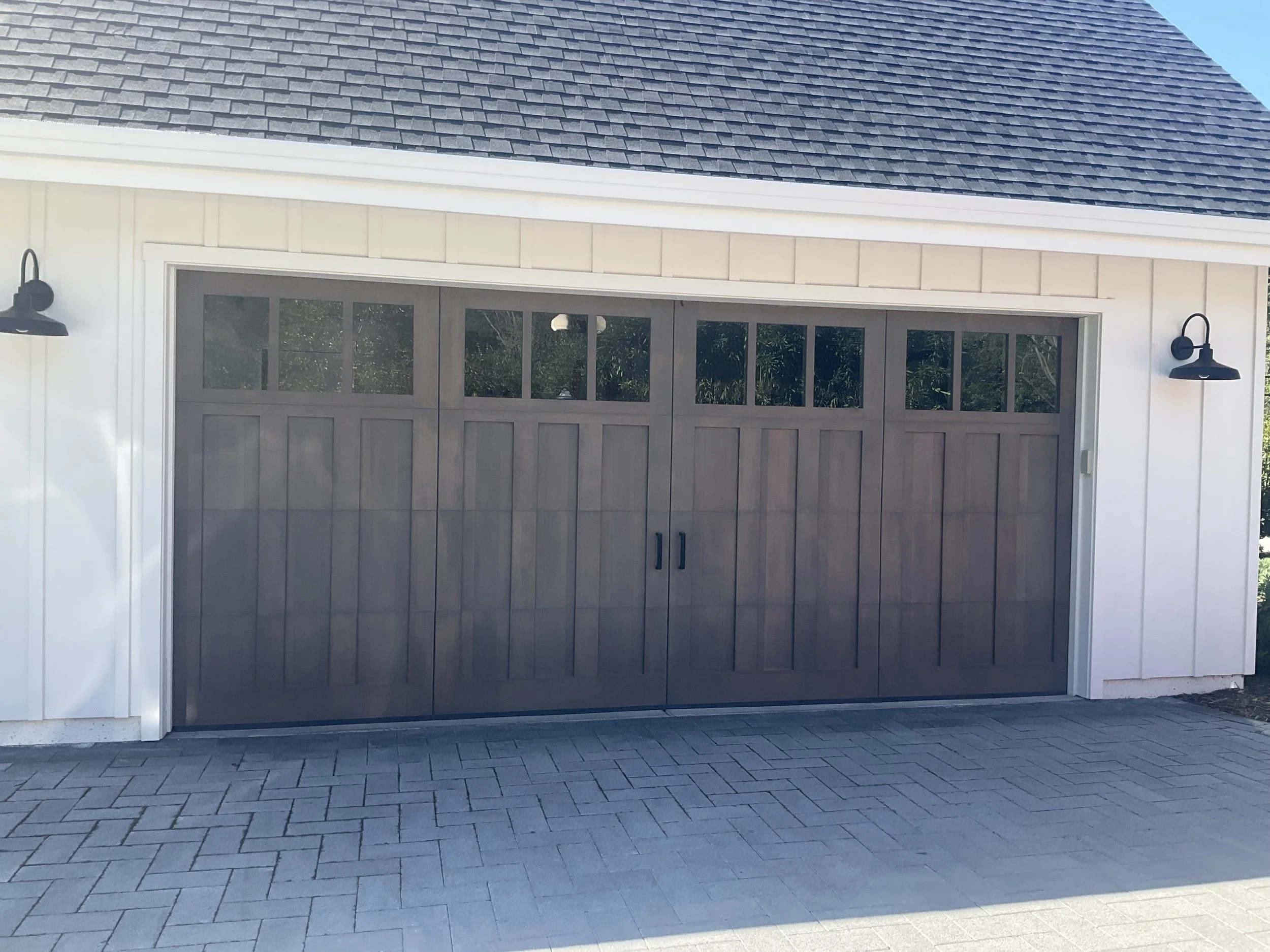
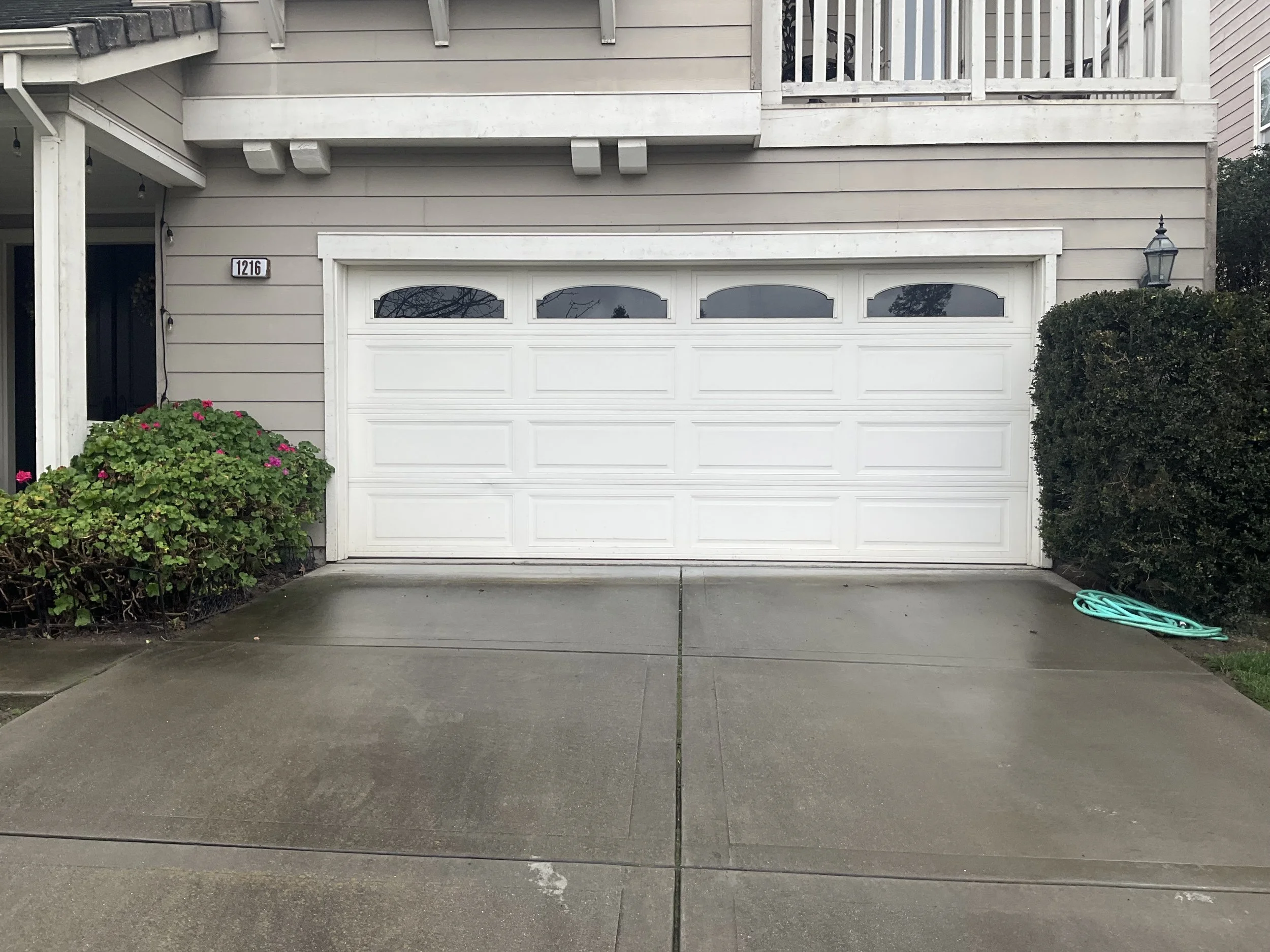
The best place to start for your garage door’s look is the style of your home. Or if you’re renovating, what the style of your home will be. Is it modern with clean lines or Spanish style with arched windows? Matching your garage door’s look to the look of your home’s front door and windows is key to ensuring it fits the architectural style of your home.
Step 2: Material
The type of material you choose for your garage door, typically either steel, wood, composite or aluminum, affects the look and maintenance requirements.
STEEL | PROS: Broadest range of designs, most durable, low maintenance, secure, most econmical CONS: aesthetically less warmth and texture than wood
WOOD | PROS: Can be stained, most authentic looking wood CONS: requires maintenance or will deteriorate
COMPOSITE | PROS: Durability with warmth of wood, weather resistant, less maintenance, energy efficient options, customization options CONS: Generally most expensive option
ALUMINUM | PROS: Contemporary style, lighter, corrosion resistant, energy efficient options CONS: Not as durable as thicker-gauge steel, generally more expensive than steel
Step 3: Finish
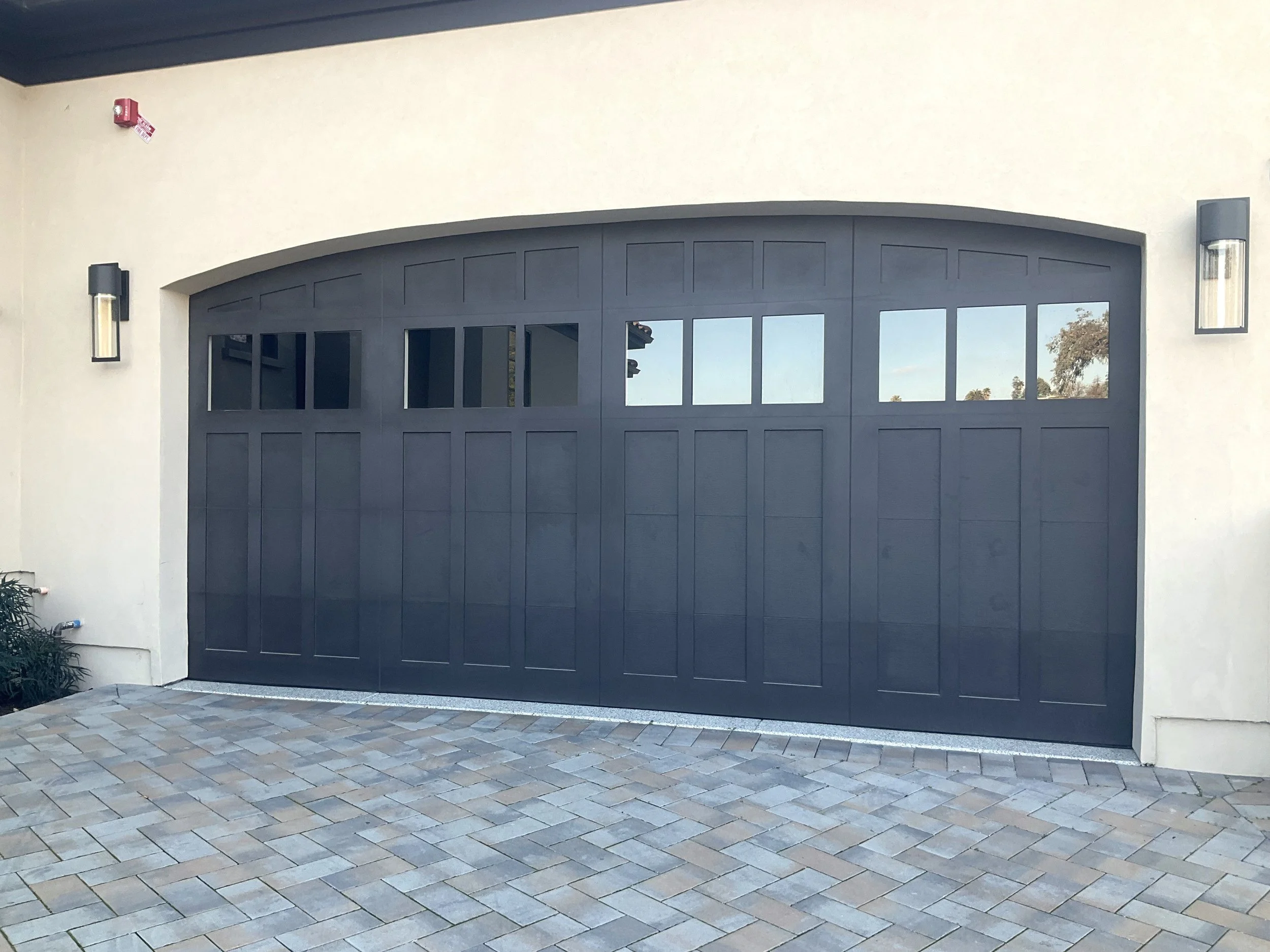
Steel doors have a myriad different colors straight from the factory that you can choose for your garage door. If you’re leaning toward a wood or composite door, the same goes for stains. However, you can choose to have your door painted or stained a specific color after install by a third-party.
Step 4: R-Value
Does your garage door need insulation? The easiest way to decide that is to answer two questions: Is your garage insulated, and is it attached to your home? If you answered yes to either of those questions then you would likely benefit from an insulated garage door, especially if you spend a lot of time in your garage. Insulated doors tend to pay for themselves over time by reducing heating and cooling costs.
Step 5: Windows
Garage door windows are both decorative and functional. They provide natural light while enhancing curb appeal. Various window configurations, including different sizes, types, shapes and placements, create a personalized look and allows you to choose the level of energy efficiency.
Step 6: Extras
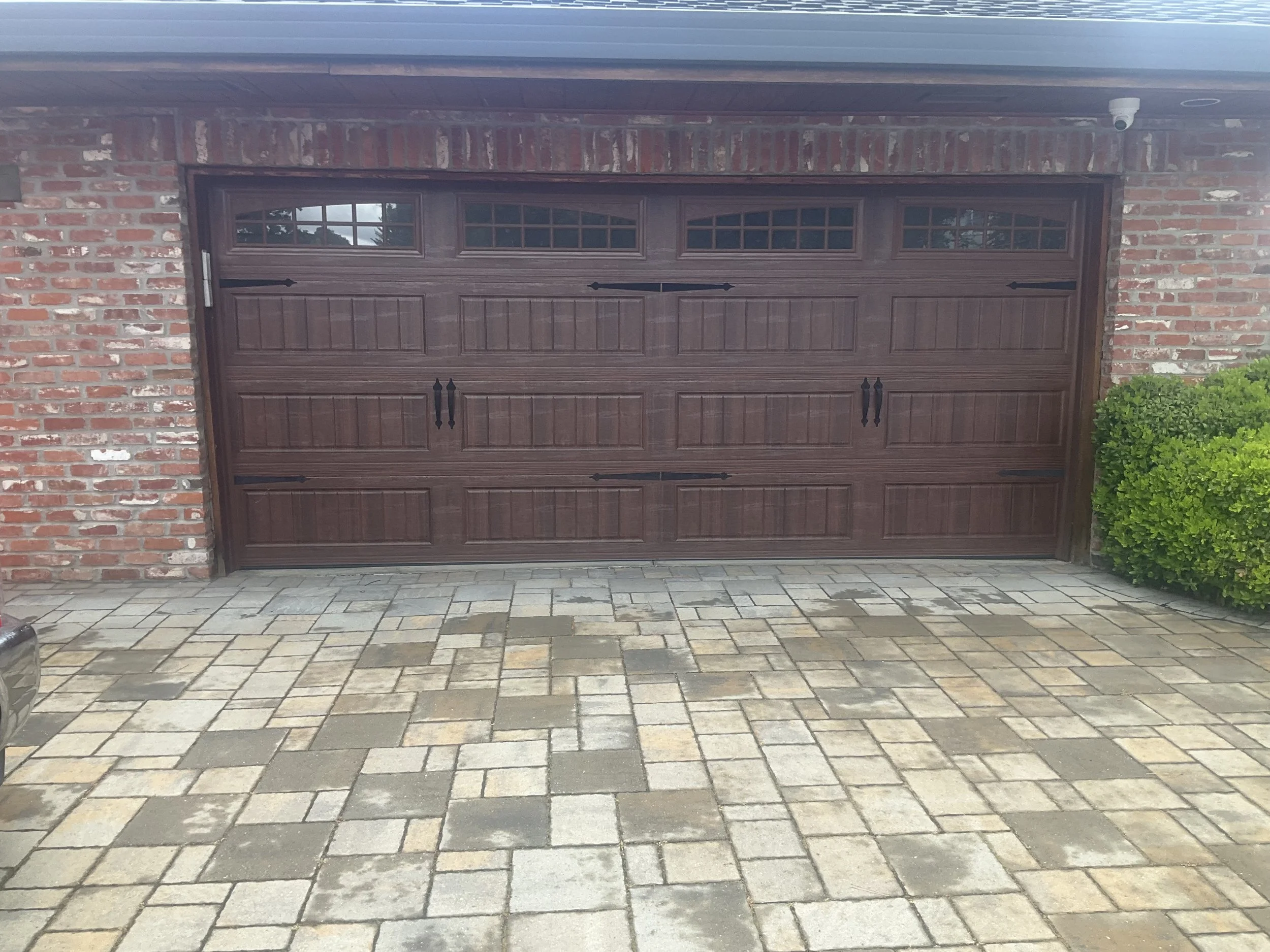
Now it’s time for the hardware. Hardware not only means adding handles, plates or door knockers to style the exterior of your garage door. It also means the type of rollers and security features you want for your door.
The type of rollers that come with your garage door may be plastic, which typically don’t roll as smoothly or last as long as metal, nylon or vinyl rollers with ball bearings. Those rollers will give your garage door a smoother, quieter journey over its tracks with less strain on your garage door motor.
You may also want to consider adding a garage door lock or smart garage video keypad to help monitor your door while you’re traveling.